🇨🇦 The colours of Canada
7 meanings recorded, 23 colours tied to the country and 1 colour city.
Canada’s national colours are red and white. Red is linked to England and the maple leaf, while white is tied to France and the country’s snowy landscape. These colours are most visible on the national flag, where red and white together reflect both historical ties and natural features.
#FF0000redRepresents England, military sacrifice, and the maple leaf; official national colour.Where no official value is given, the swatch shows the colour family, not the exact shade.
- Red symbolises both England and the maple leaf’s seasonal colours.
- White is linked to France and Canada’s snowy winters.
- The maple leaf motif appears on coins, military badges, and the flag.
- The flag’s red is officially specified as Pantone 032 or #FF0000.
- The flag’s design is horizontally symmetrical and strictly regulated.
The colours of the flag of Canada
The Canadian flag features a red field with a white square in the centre, displaying a stylised red maple leaf. Red and white are the only colours used. Red stands for England’s historic emblem and is also linked to the maple tree, a national symbol whose leaves turn red in spring and autumn. White is associated with France and the snowy Canadian landscape. These meanings are widely accepted, though not set out in law. The maple leaf itself has become a symbol of Canada and its people.
National colours of Canada
Red and white are used as Canada’s national colours in many settings beyond the flag. They appear in government branding, official sports uniforms, and royal standards. The maple leaf, often shown in red, is a common motif in military insignia and on coins. These colours are recognised as representing the country in both formal and popular contexts.
How the colours were chosen of Canada
The roots of Canada’s colours go back to the medieval crusades, when England and France used red and white crosses in different arrangements. Over time, England adopted a red cross on white, while France used a white cross on red, and later the colours were swapped. These traditions influenced the choice of red and white for Canada. The colours became associated with Canada’s coat of arms in 1921, though the proclamation did not state them as national colours. The maple leaf, first green on the arms, was changed to red in 1957 to match the national colours. The current flag, adopted in 1965, cemented red and white as central to Canada’s identity.
Official shades and rules of Canada
Red and white are the only colours permitted on the national flag. The red used is specified for printing and digital use, including Pantone 032 and RGB #FF0000. The flag’s design is strictly defined: a white central band twice as wide as each red side band, with an 11-pointed red maple leaf in the centre. Manufacturing standards for the flag are set by law.
The facts in this overview come from the Wikipedia article "National colours of Canada", written by its contributors and used under the CC BY-SA 4.0 licence, together with "Flag of Canada". Rang rewrote the text in its own words, with AI assistance, and compares every page with the article to make sure no passage is copied. It may be reused under the same CC BY-SA 4.0 licence with a link back.
What colours mean in Canada
Customs vary by region, faith and family; these are the meanings most often recorded.
Red and white are the national colours. The flag, a red maple leaf between two red bars, was adopted in 1965 after a long debate in parliament.
Politics and protestPrideSource: National colours of CanadaOfficers of the Royal Canadian Mounted Police wear the Red Serge, a scarlet tunic with a high collar, on ceremonial duty. It is one of the best known images of the country abroad.
Protection and healingTrustSource: Red SergeEmpty red dresses hung in public places stand for missing and murdered Indigenous women and girls. The idea comes from the REDress Project by the Metis artist Jaime Black.
Mourning and deathProtection and healingGriefSource: REDress ProjectOn 30 September people wear orange shirts to remember the children sent to residential schools. Phyllis Webstad's new orange shirt was taken from her on her first day at one.
Mourning and deathPolitics and protestGriefSource: National Day for Truth and ReconciliationOrange is also the colour of the New Democratic Party. Its sweep of Quebec seats in the 2011 election was called the Orange Wave.
Politics and protestSource: New Democratic PartyMany First Nations use the medicine wheel, a circle in four parts. A common form has yellow, red, black and white quarters for the four directions, though the colours vary between nations.
Sacred and holySource: Medicine wheel (symbol)The flag of Quebec, the Fleurdelise, is blue with a white cross and four white lilies. Blue is the colour of Quebec nationalism and of the Parti Quebecois.
Politics and protestPrideSource: Flag of Quebec
Colours tied to Canada

#4A412A
Pantone 448 C
A dull brown shade chosen to discourage smoking by making packaging unattractiveStandard colour · 🇦🇺 Australia +5

#FFD800
School bus yellow
A yellow made for North American school buses to stand out and be seenNamed shade · 🇺🇸 United States +2

#FF7800
Safety orange
A vivid orange used for high-visibility and safety markingNamed shade · 🇺🇸 United States +4

#FFC680
Buff
A pale brownish yellow named for the colour of natural leatherNamed shade · 🇺🇸 United States +3

#D2B48C
Tan
A light brown shade named after oak bark used in leather tanningNamed shade · 🇺🇸 United States +1

#FBEC5D
Maize
A yellow named for the colour of maize grains, ranging from pale to goldenNamed shade · 🇺🇸 United States +1
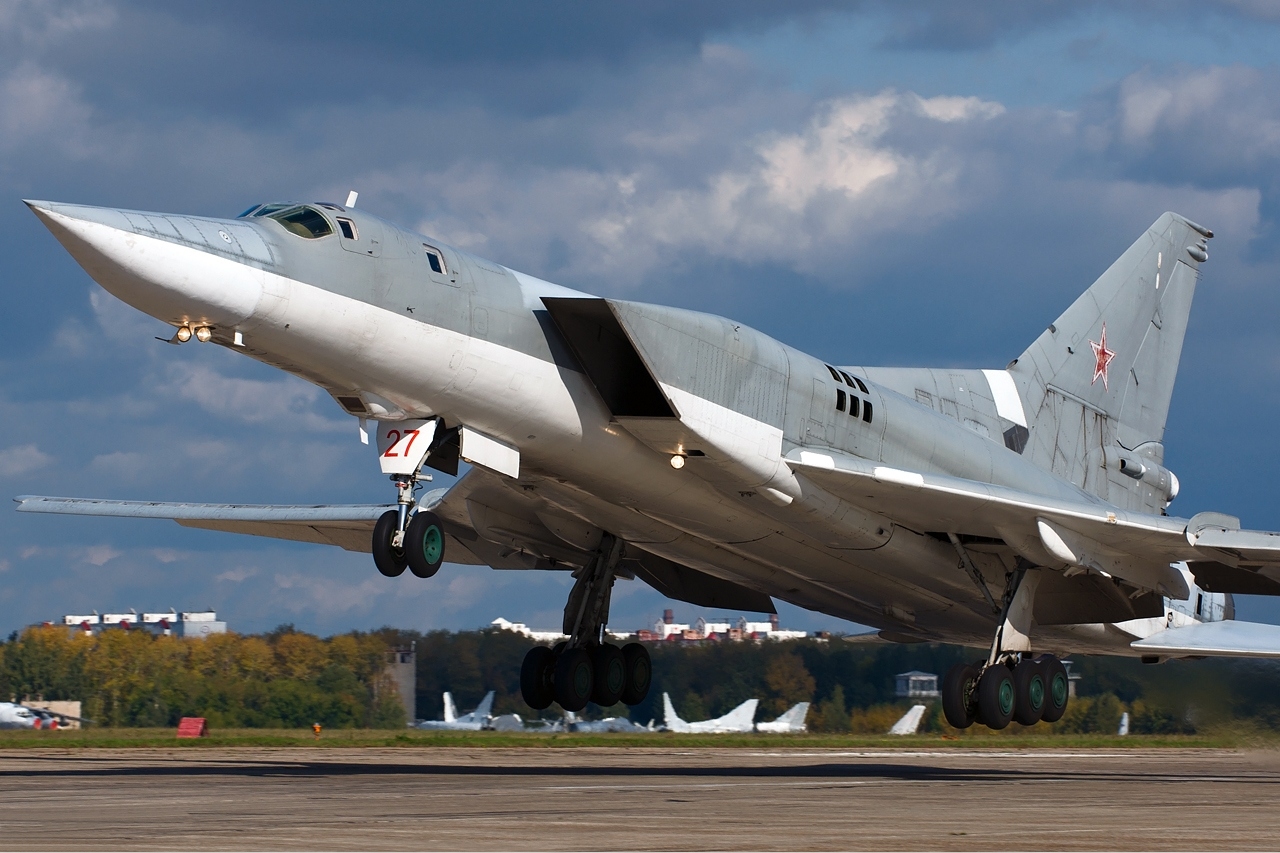
White
Anti-flash white
A special white paint used on nuclear bombers to reflect heat from nuclear blastsNamed shade · 🇬🇧 United Kingdom +4

#FF5A36
Portland Orange
A vivid orange-red used for 'don't walk' pedestrian signals in North AmericaNamed shade · 🇺🇸 United States +1

#1E3765
U of T Blue
A deep navy blue used by the University of Toronto since its foundingNamed shade · 🇨🇦 Canada
Photo credits on this page
The small pictures above come from Wikimedia Commons under free licences. Some are cropped to fit.
- Buff: Johan, CC BY-SA 3.0, source
- Maize: en:User:Pratheepps, CC BY-SA 2.5, source
- Portland Orange: User:Fb78, CC BY-SA 3.0, source
- Safety orange: George Armstrong, Public domain, source
- Tan: Mwanner, CC BY-SA 3.0, source
- Pantone 448 C: The RedBurn (picture on the packaging, Public domain, source
- Anti-flash white: Alex Beltyukov, CC BY-SA 3.0, source
- U of T Blue: DoubleBlue, CC BY-SA 3.0, source
- School bus yellow: BMRR ( talk ), CC BY-SA 3.0, source
- St Johns Ca: Quintin Soloviev, CC BY 4.0, source