🇵🇱 The colours of Poland
7 meanings recorded, 6 colours tied to the country and 2 colour cities.
What colours mean in Poland
Customs vary by region, faith and family; these are the meanings most often recorded.
The flag is white over red. The colours come from the national arms, a white eagle on a red shield, and were made official in 1831.
Politics and protestPrideSource: Flag of PolandCrimson was the colour of the Polish nobility. Only nobles could wear it, and karmazyn, crimson man, came to mean a noble of old family.
Royalty and powerSource: SzlachtaThe logo of Solidarity, the free trade union founded in the Gdansk shipyard in 1980, is its name in red letters that look like a crowd carrying a flag.
Politics and protestCourageSource: Solidarity (Polish trade union)Amber washed up on the Baltic shore is called the gold of the north. Gdansk has been a centre for working it since the Middle Ages.
Nature and renewalSource: Baltic amberThe white of the flag stands for the white eagle of the arms. The national football team is known as the Bialo-Czerwoni, the White and Reds.
Politics and protestPrideSource: Coat of arms of PolandAfter Russian troops fired on crowds in Warsaw in 1861, women across Poland put on black dresses and black jewellery as a sign of national mourning. It lasted for years.
Mourning and deathPolitics and protestGriefSource: MourningThe Black Madonna of Czestochowa is an icon of Mary and the child Jesus with darkened faces. It is the most revered image in the country, and pilgrims walk for days to see it.
Sacred and holyAweSource: Black Madonna of CzęstochowaColour and feeling in Poland
In a 1997 five-nation study, Polish respondents linked anger, envy and jealousy with purple, unlike the other groups asked.


Colours tied to Poland
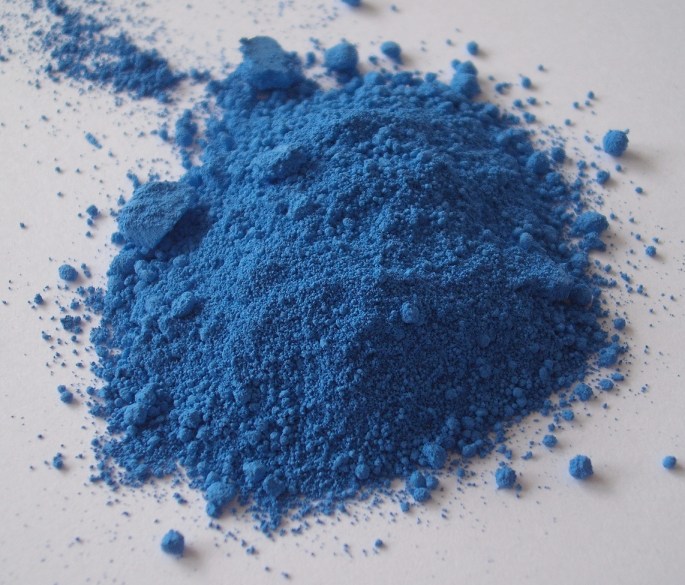

Photo credits on this page
The small pictures above come from Wikimedia Commons under free licences. Some are cropped to fit.
- Auburn hair: Gusjer, CC BY 2.0, source
- Cobalt blue: FK1954, Public domain, source
- Wroclaw Pl: Hrs Poland, CC BY-SA 3.0, source
- Poznan Pl: Stanisław Szewczyk, CC BY 3.0, source