🇲🇲 The colours of Myanmar
2 meanings recorded, 6 colours tied to the country and 1 colour city.
Myanmar’s flag features yellow, green, and red stripes with a central white star. Yellow stands for unity and wisdom, green for fertility and fairness, and red for bravery. The white star symbolises purity and compassion. These colours recall banners used during the country’s struggle for independence.
Where no official value is given, the swatch shows the colour family, not the exact shade.
- The current flag was first raised on 21 October 2010.
- Yellow, green, and red were used by anti-colonial groups in the 1930s.
- The white star in the centre stands for purity and compassion.
- The flag’s colours are officially described in Myanmar’s constitution.
- Earlier flags included symbols for workers and farmers.
The colours of the flag of Myanmar
Myanmar’s current flag, adopted in 2010, is made up of three horizontal bands: yellow at the top, green in the middle, and red at the bottom. A large white five-pointed star sits at the centre. Each colour has a specific meaning given in official descriptions: yellow is for unity and wisdom, green for fertility and fairness, and red for bravery. The white star represents purity and compassion. These meanings are set out in the country’s flag law and constitution.
How the colours were chosen of Myanmar
The colours of the present flag echo earlier tricolours used by anti-colonial groups in the 1930s and 1940s. Yellow, green, and red first appeared together in banners used by independence activists. After independence in 1948, Myanmar’s flag changed several times, each version reflecting different political eras and ideas. The 1948 flag included a blue canton and stars, while the 1974 flag added symbols for workers and farmers. The current tricolour was chosen in 2010 to reconnect with the original independence movement’s colours.
Official shades and rules of Myanmar
The flag must always be displayed with the yellow stripe at the top when horizontal. When hung vertically, yellow should be on the left and the star should point to the left. The 2010 Union Flag Law defines these arrangements. No official hex codes or precise colour specifications are given in the sources.
The facts in this overview come from the Wikipedia article "Flag of Myanmar", written by its contributors and used under the CC BY-SA 4.0 licence. Rang rewrote the text in its own words, with AI assistance, and compares every page with the article to make sure no passage is copied. It may be reused under the same CC BY-SA 4.0 licence with a link back.
What colours mean in Myanmar
Customs vary by region, faith and family; these are the meanings most often recorded.
Monks wear robes of deep maroon. When thousands of them marched against the military government in 2007, the protests were named the Saffron Revolution.
Sacred and holyPolitics and protestCourageSource: Saffron RevolutionBuddhist nuns, called thilashin, shave their heads and wear pale pink robes with an orange or brown under-robe.
Sacred and holyCalmSource: ThilashinColour and feeling in Myanmar
The Shwedagon Pagoda in Yangon and the great temples of Thailand are covered in gold leaf given by worshippers over centuries.

Colours tied to Myanmar

#E49B0F
Gamboge
A strong yellow pigment tapped from Southeast Asian treesPigment · 🇰🇭 Cambodia +5

Brown
Catechu
A reddish-brown dye and extract from the heartwood of Senegalia catechuDye · 🇮🇳 India +3

Blue
Pala indigo
A tree from India whose leaves yield a blue dye like indigoColour named from nature · 🇮🇳 India +4
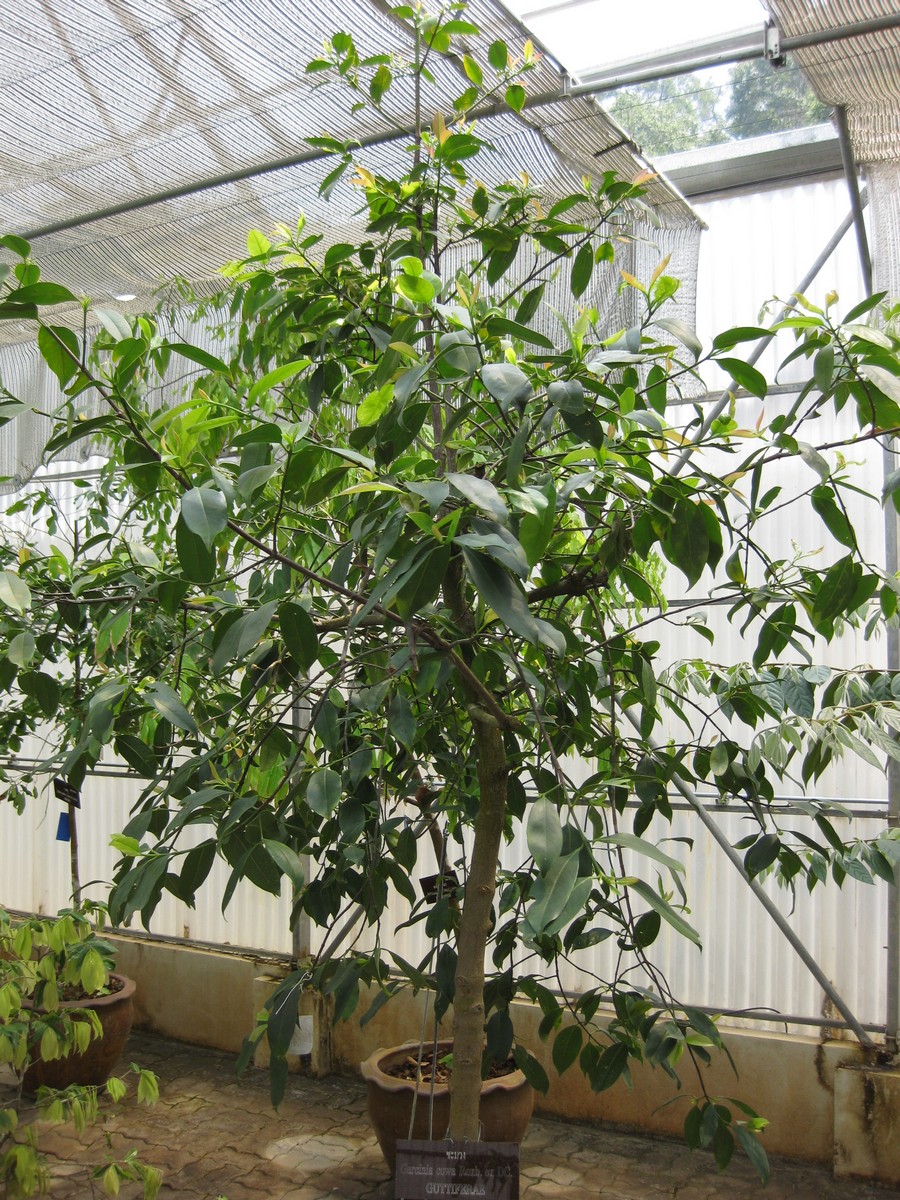
Yellow
Garcinia cowa yellow
A yellow dye from the bark of the Garcinia cowa tree in tropical AsiaColour named from nature · 🇮🇳 India +5
Photo credits on this page
The small pictures above come from Wikimedia Commons under free licences. Some are cropped to fit.
- Gamboge: Maša Sinreih in Valentina Vivod, CC BY-SA 3.0, source
- Garcinia cowa yellow: Raffi Kojian, CC BY-SA 3.0, source
- Catechu: Shaik Jaber Al-Shihab, CC BY-SA 4.0, source
- Pala indigo: J.M.Garg, CC BY 3.0, source
- Bagan Mm: Vyacheslav Argenberg, CC BY 4.0, source