Line of purples
The edge of visible colour between pure red and pure violet in colour theory
No single value: Line of purples is a material, and its colour varies. The background shows its family, purple and violet.

The line of purples marks the boundary in colour theory between the deepest spectral red and violet. Unlike spectral colours, these purples cannot be made by a single light source but are mixtures of fully saturated red and violet, forming the most saturated non-spectral colours possible.
- Connects the deepest visible red and violet on the chromaticity diagram
- Colours on the line cannot be made by a single light wavelength
- No pigment or standard display can show these purples exactly
- Represents the most saturated non-spectral purples possible
What colour is Line of purples?
The line of purples is a theoretical boundary in colour science, found on the edge of the chromaticity diagram. It connects the most saturated red and violet visible to the human eye. Unlike other colours on the spectrum, these purples are not found in rainbows or made by a single wavelength of light. Instead, they are mixtures of the deepest red and violet, and are the most saturated purples possible.
Where does Line of purples come from?
The name comes from its position on the chromaticity diagram, where it forms a straight line between the extreme ends of visible red and violet. This boundary is not a physical colour found in nature, but a mathematical limit in colour theory. The concept helps define the limits of human colour perception and separates spectral colours from those that can only be made by mixing.
How is Line of purples made?
Colours on the line of purples cannot be made with a single light source. Each is a unique mix of fully saturated red and violet light. No pigment or standard display system can show these colours exactly, as they require both ends of the visible spectrum at full strength. Even advanced screens and printers cannot reach these purples.
Where Line of purples is used
Because they are theoretical, the line of purples is not directly used in art, textiles, or design. Colour systems like sRGB and CMYK cannot display these colours, and even wide-gamut screens struggle to approximate them. In pigment-based systems, purples close to this line appear nearly black due to the limits of pigment brightness.
What Line of purples means
The line of purples does not have cultural or symbolic meanings, as it is a scientific concept rather than a colour seen in daily life. It is mainly used in colour theory and the study of human vision.
Purple around the world
What the purple and violet family means from country to country.
In Holy Week, members of religious brotherhoods walk in procession in robes and pointed hoods, many of them purple, the colour of penance. A purple band also marked the flag of the Second Republic.
Sacred and holyPolitics and protestSource: Holy Week in SpainSuffragettes campaigning for women's votes wore purple, white and green: purple for dignity, white for purity and green for hope.
Politics and protestCourageSource: SuffragetteA child born to a reigning Byzantine emperor was called porphyrogennetos, born in the purple. The birth took place in a palace room lined with purple stone.
Royalty and powerAweSource: Born in the purpleIn the elections of 2005, voters dipped a finger in purple ink to prevent double voting. The stained finger, held up for cameras, became a sign of the vote.
Politics and protestPrideSource: Election inkPurple dye from the murasaki plant was costly and hard to make. In the court rank system set up under Prince Shotoku, the highest officials wore purple caps.
Royalty and powerAweSource: Twelve Level Cap and Rank SystemThe Phoenician cities of Tyre and Sidon made Tyrian purple from sea snails. The dye was so costly that it became the colour of kings and Roman emperors.
Royalty and powerAweSource: Tyrian purpleShades and relatives of Line of purples
Common purples and magentas are less saturated than those on the line. The line of purples is distinct from the broader group of purples and pinks, which fill the space inside the chromaticity diagram. These more familiar shades are mixtures with white or less intense red and violet.
Questions people ask about Line of purples
What is the line of purples?
It is a boundary in colour theory connecting the most saturated red and violet. Colours on this line are not found in the spectrum but are mixtures of pure red and violet.
Can I see the line of purples in nature?
No, these colours do not appear in nature or rainbows. They can only be made by mixing the deepest red and violet light, not by a single wavelength.
Why can't screens or printers show these purples?
Standard screens and printers cannot display the line of purples because they cannot produce the exact mix of fully saturated red and violet needed for these colours.
Where does the name come from?
The name refers to its place as a straight line on the chromaticity diagram, marking the edge between pure red and violet.
Good reading and sources
The facts on this page come from the Wikipedia article "Line of purples", written by its contributors and used under the CC BY-SA 4.0 licence, and from its Wikidata record (CC0). Rang rewrote the text in its own words, with AI assistance, and compares every page with the article to make sure no passage is copied. It may be reused under the same CC BY-SA 4.0 licence with a link back.
It may contain mistakes. The swatch is an approximation: named colours are not fixed standards, and every screen shows them a little differently. If something is wrong, tell us. Last refreshed 2026-10-03.
More of the purple and violet family
All of purple and violet
#8000FF
Violet
A bluish-purple seen in both flowers and the light spectrumBasic colour

#800080
Purple
A cool colour between red and blue, long linked with royalty and rarityBasic colour · 🇱🇧 Lebanon +5

#C8A2C8
Lilac
A soft purple inspired by the typical colour of lilac flowersNamed shade

#E0B0FF
Mauve
A pale purple named after the mallow flower and once a fashion sensationNamed shade · 🇫🇷 France

#9966CC
Lavender
A pale purple named for the lavender flower, with many subtle variationsNamed shade
#CC8899
Puce
A brownish-purple shade named after the flea and once favoured in French fashionNamed shade · 🇫🇷 France +1

Purple and violet
Cobalt(II) phosphate
A violet pigment and chemical compound used as cobalt violet in artPigment
#614051
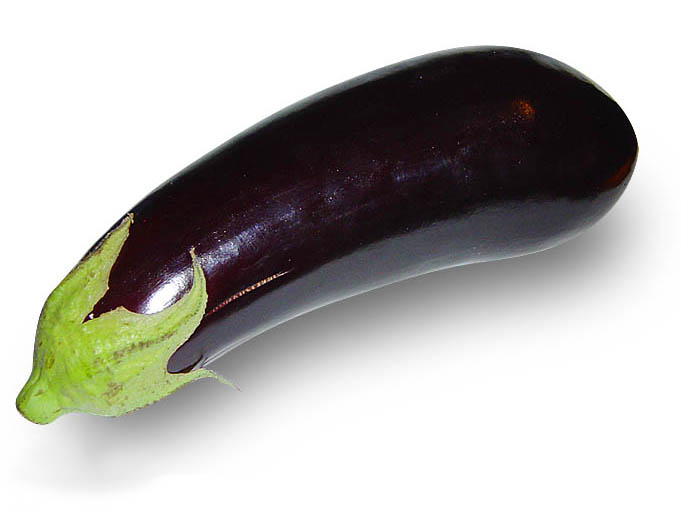
Eggplant
A deep purplish colour named after the skin of European eggplantsNamed shade