🇯🇲 The colours of Jamaica
3 meanings recorded, 1 colour tied to the country.
Jamaica's flag features gold, green, and black. Gold stands for the sun and the country's wealth, green for the island's lush land and hope, and black for the strength and creativity of the people. These meanings were updated in 1996 from earlier interpretations.
Where no official value is given, the swatch shows the colour family, not the exact shade.
- Jamaica's flag is the only national flag without red, white, or blue.
- Gold is Pantone 109 C/U, green is Pantone 355 C/U, black is 100% black.
- The flag's saltire design was inspired by Scotland's flag.
- Colour meanings were officially changed in 1996.
- The flag's proportions are always 1:2.
The colours of the flag of Jamaica
Jamaica's flag is divided by a gold saltire, creating four triangles: green at the top and bottom, black at the sides. Gold is said to represent both the sun and the nation's wealth. Green stands for the island's vegetation and hope. Black now symbolises the people's strength and creativity, a meaning updated in 1996; before that, it was said to reflect hardships. These meanings are officially recognised.
How the colours were chosen of Jamaica
The flag was chosen after a public design competition in 1962 failed to produce a winner. A parliamentary committee then created the current design, originally with horizontal stripes, but this was changed to a saltire to avoid similarity with Tanganyika's flag. The saltire is said to have been inspired by Scotland's flag. The meanings of the colours were updated in 1996 to focus on positive national qualities.
Official shades and rules of Jamaica
The flag's proportions are set at 1:2, with the length twice the width. Official colours are defined by Pantone: gold as 109 C (fabric) or 109 U (paper), green as 355 C (fabric) or 355 U (paper), and black as 100% black. The National Flag Code sets out rules for use and display, ensuring the flag is treated with respect.
The facts in this overview come from the Wikipedia article "Flag of Jamaica", written by its contributors and used under the CC BY-SA 4.0 licence. Rang rewrote the text in its own words, with AI assistance, and compares every page with the article to make sure no passage is copied. It may be reused under the same CC BY-SA 4.0 licence with a link back.
What colours mean in Jamaica
Customs vary by region, faith and family; these are the meanings most often recorded.
The flag is green, gold and black. The official reading is: hardships there are, but the land is green and the sun shineth.
Nature and renewalPolitics and protestHopeSource: Flag of JamaicaThe black in the flag stands for the strength and creativity of the people. Marcus Garvey's Pan-African flag of red, black and green is also widely flown.
Politics and protestCourageSource: Pan-African flagRastafari use red, gold and green, taken from the flag of Ethiopia, the home of Emperor Haile Selassie. The colours appear on hats, flags and reggae record sleeves.
Sacred and holyPolitics and protestPrideSource: RastafariColour and feeling in Jamaica
The red, black and green Pan-African flag was adopted in 1920 by the movement led by Jamaican-born Marcus Garvey, as a sign of Black pride.
Colours tied to Jamaica
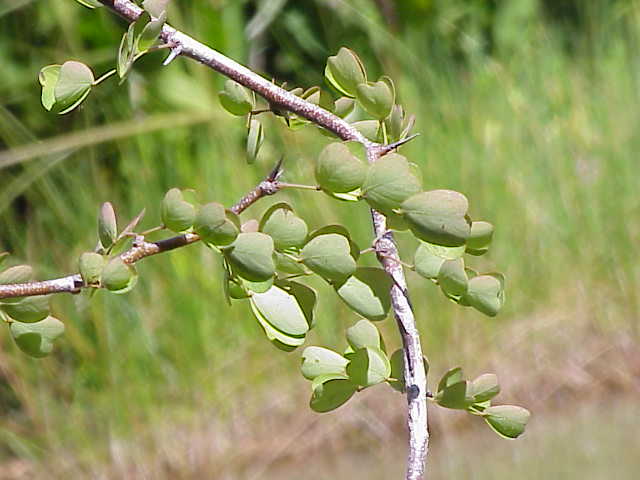
Photo credits on this page
The small pictures above come from Wikimedia Commons under free licences. Some are cropped to fit.
- Logwood: Kurt Stüber [1], CC BY-SA 3.0, source