City of the great mud mosque
Djenné
A town of sun-dried mud brick in Mali, centred on the largest earthen building in the world.

Why Djenné is mud ochre
Djenné stands on the inland delta of the Niger river in Mali and was a trading town linked to Timbuktu for centuries. Everything in the old town is built of sun-dried mud bricks coated in mud plaster, so it is all one soft ochre. The Great Mosque, rebuilt in its present form in 1907, is the largest mud-brick building in the world. Bundles of palm wood stick out of its walls; they serve as scaffolding. Rain wears the plaster away, so each year the whole town turns out for a festival to coat the mosque with fresh mud, carried in baskets and applied by hand. Djenné has been a World Heritage Site since 1988.
Values are fair approximations of what the eye sees there, not measurements.
Colours tied to Djenné
Written by the Rang desk with AI assistance. Background: "Djenné" on Wikipedia. If you know Djenné and we have it wrong, tell us.
More colour cities
All colour cities 🇲🇱 Sand-coloured city of scholarsTimbuktuEarthen mosques the colour of the desert, and the deep indigo veils of the Tuareg.
 🇮🇳 Ruins among golden bouldersHampiThe ruined capital of Vijayanagara lies among heaps of ochre granite boulders and bright green paddy.
 🇮🇩 Home of court batikYogyakartaThe royal city of central Java, whose classic batik is drawn in brown, indigo and white.
 🇺🇿 The sand-coloured holy cityBukharaAn oasis city of pale brick, where patterned brickwork does the work of colour and blue domes are accents.
 🇮🇷 The mud-brick desert cityYazdAn earth-coloured city of domes and wind towers in central Iran, with one tall gateway of blue tile.
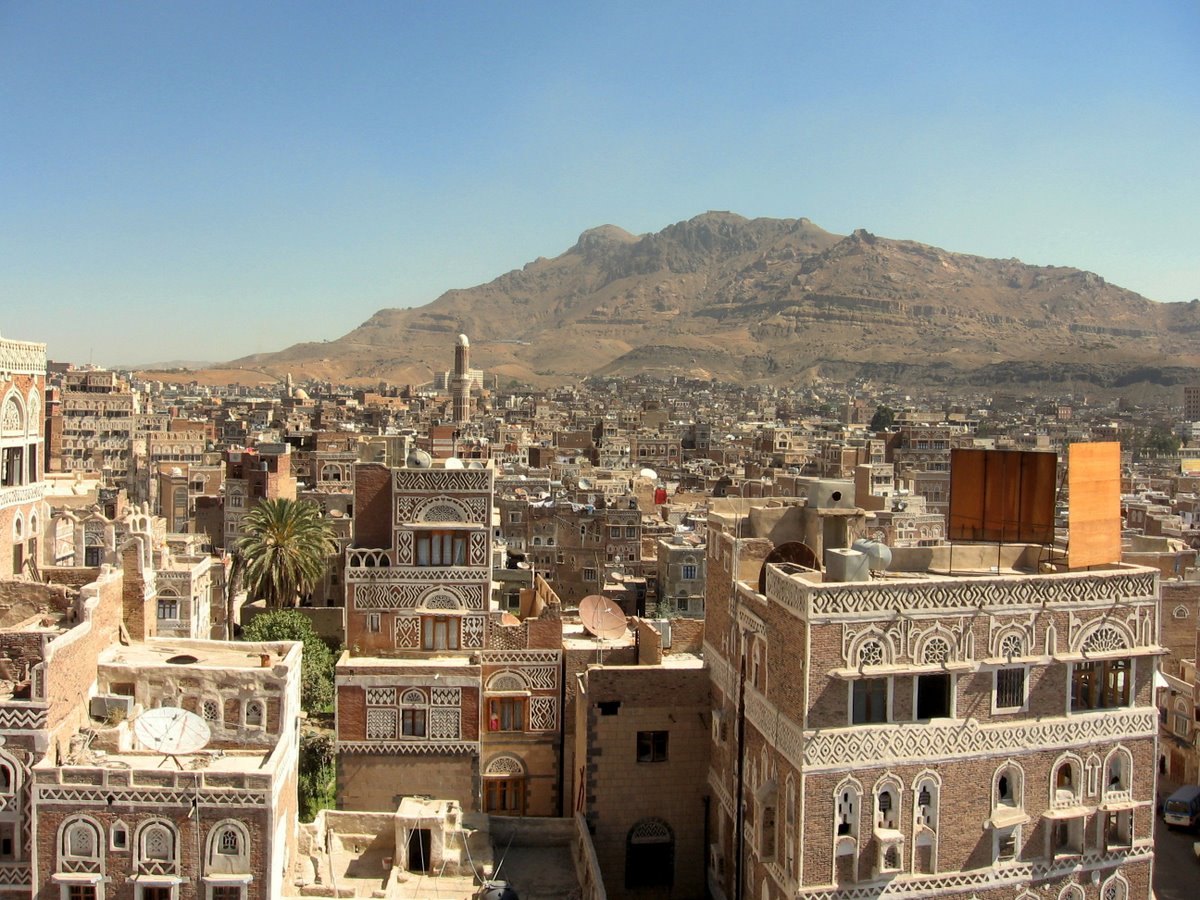 🇾🇪 The gingerbread citySana'aTower houses of brown brick, each window and floor outlined in white gypsum like icing.
Photo credits on this page
The small pictures above come from Wikimedia Commons under free licences. Some are cropped to fit.
- Hampi In: Vyacheslav Argenberg, CC BY 4.0, source
- Yogyakarta Id: CEphoto, Uwe Aranas, CC BY-SA 3.0, source
- Bukhara Uz: Euyasik, CC BY-SA 3.0, source
- Yazd Ir: Ninara, CC BY 2.0, source
- Sanaa Ye: ai@ce, CC BY 2.0, source
- Timbuktu Ml: Drawn by Martin Bernatz after a sketch by Heinrich Barth, Public domain, source