Sand-coloured city of scholars
Timbuktu
Earthen mosques the colour of the desert, and the deep indigo veils of the Tuareg.

Why Timbuktu is sahara sand
Timbuktu lies at the southern edge of the Sahara, near the Niger river in Mali. From the 14th to the 16th century it was a rich trading city and a centre of Islamic scholarship, and families there still keep old manuscripts. Its three great mosques are built of mud and limestone rubble. The oldest, Djinguereber, dates from about 1327. They are the same pale brown as the sand that blows through the streets. The strongest colour is worn, not built. Tuareg men of the region wrap the head and face in a long veil dyed with indigo, so heavily that the dye rubs off on the skin. Outsiders have called them the blue men.
Values are fair approximations of what the eye sees there, not measurements.
Colours tied to Timbuktu
Written by the Rang desk with AI assistance. Background: "Timbuktu" on Wikipedia. If you know Timbuktu and we have it wrong, tell us.
More colour cities
All colour cities 🇲🇱 City of the great mud mosqueDjennéA town of sun-dried mud brick in Mali, centred on the largest earthen building in the world.
 🇮🇳 Ruins among golden bouldersHampiThe ruined capital of Vijayanagara lies among heaps of ochre granite boulders and bright green paddy.
 🇮🇩 Home of court batikYogyakartaThe royal city of central Java, whose classic batik is drawn in brown, indigo and white.
 🇺🇿 The sand-coloured holy cityBukharaAn oasis city of pale brick, where patterned brickwork does the work of colour and blue domes are accents.
 🇮🇷 The mud-brick desert cityYazdAn earth-coloured city of domes and wind towers in central Iran, with one tall gateway of blue tile.
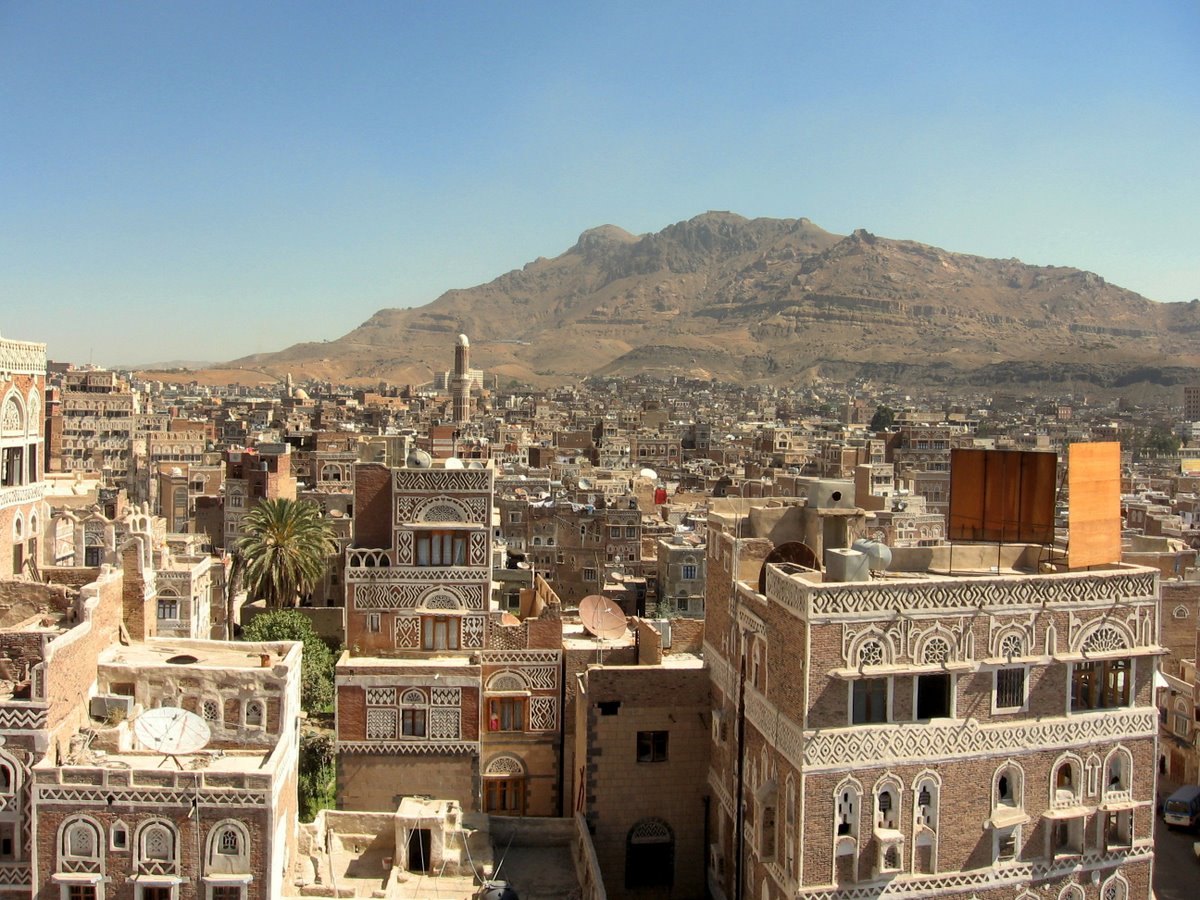 🇾🇪 The gingerbread citySana'aTower houses of brown brick, each window and floor outlined in white gypsum like icing.
Photo credits on this page
The small pictures above come from Wikimedia Commons under free licences. Some are cropped to fit.
- Hampi In: Vyacheslav Argenberg, CC BY 4.0, source
- Yogyakarta Id: CEphoto, Uwe Aranas, CC BY-SA 3.0, source
- Bukhara Uz: Euyasik, CC BY-SA 3.0, source
- Yazd Ir: Ninara, CC BY 2.0, source
- Sanaa Ye: ai@ce, CC BY 2.0, source
- Djenne Ml: Andy Gilham, CC BY-SA 3.0, source