Melon
A soft orange-pink inspired by cantaloupe flesh
Melon is a gentle orange-pink shade that takes its name from the inside of a cantaloupe melon. The colour was first named in English in 1892 and later became part of the Crayola crayon range in 1949.
Share on WhatsAppOpen in the lab
- Named after the inside of a cantaloupe melon
- First called 'melon' as a colour in 1892
- Chosen as a Crayola crayon colour in 1949
What colour is Melon?
Melon is a light, warm colour that sits between orange and pink, closely matching the look of ripe cantaloupe flesh. Its gentle tone sets it apart from stronger oranges, making it softer and more subdued. The shade is easy to recognise by its pastel quality and subtle warmth.
Where does Melon come from?
The name 'melon' comes from the cantaloupe, a fruit known for its sweet, orange interior. English speakers first used 'melon' to describe this colour in 1892. The shade gained wider attention when it was chosen as a Crayola crayon colour in the mid-20th century.
How Melon is defined
Melon as a colour is based on the natural shade of cantaloupe flesh, but in art and design it is created by mixing orange and pink tones. In commercial products like crayons, it is produced using synthetic pigments to match the soft pastel hue.
Where Melon is used
Melon appears in digital design, art materials, and especially in crayons, where it has been a Crayola colour since 1949. Its soft, appealing look makes it popular for gentle backgrounds, illustrations, and children's art supplies.
What Melon means
By the early 20th century, some people linked melon with qualities such as energy and openness to experience. These associations were noted in the 1920s but are not widely held today.
Orange around the world
What the orange family means from country to country.
The lowest band of the flag is orange, often called apricot, after the national fruit. The constitution says it stands for the creative talent and hard work of the people.
Politics and protestNature and renewalPrideSource: Flag of ArmeniaThe flag is split corner to corner. The orange half stands for the Buddhist tradition, and the white dragon across the middle for purity.
Sacred and holySource: Flag of BhutanOn 30 September people wear orange shirts to remember the children sent to residential schools. Phyllis Webstad's new orange shirt was taken from her on her first day at one.
Mourning and deathPolitics and protestGriefSource: National Day for Truth and ReconciliationOrange is also the colour of the New Democratic Party. Its sweep of Quebec seats in the 2011 election was called the Orange Wave.
Politics and protestSource: New Democratic PartyThe flag shows the island in copper orange on white. The colour recalls copper, which was mined here in ancient times and may have taken its name from Cyprus.
Politics and protestNature and renewalSource: Flag of CyprusThe orange stripe of the flag stands for Protestants, the followers of William of Orange. In Northern Ireland the Orange Order still marches each 12 July in orange sashes.
Politics and protestSource: Orange OrderShades and relatives of Melon
Melon is sometimes mistaken for other pastel oranges or pinks, but it is set apart by its link to cantaloupe. It is lighter than coral and has more orange than most pinks.
Colours that go with Melon
Harmonies are worked out from the value #FEBAAD. Contrast ratios follow the WCAG 2 formula.
Questions people ask about Melon
What colour is melon?
Melon is a soft, pastel shade that blends orange and pink, inspired by the flesh of a cantaloupe melon.
Where does the name 'melon' come from?
The name refers to the orange interior of the cantaloupe, a widely eaten type of melon.
When did 'melon' become a colour name in English?
The term was first used for this colour in English in 1892.
Is melon used in art supplies?
Yes, melon became a Crayola crayon colour in 1949 and is used in various art and design contexts.
Good reading and sources
The facts on this page come from the Wikipedia article "Shades of orange" (the section "Melon"), written by its contributors and used under the CC BY-SA 4.0 licence. Rang rewrote the text in its own words, with AI assistance, and compares every page with the article to make sure no passage is copied. It may be reused under the same CC BY-SA 4.0 licence with a link back.
It may contain mistakes. The swatch is an approximation: named colours are not fixed standards, and every screen shows them a little differently. If something is wrong, tell us. Last refreshed 2026-10-03.
More of the orange family
All of orange
#FF7F50
Coral
A vivid orange-pink named after the colour of precious coral from the seaNamed shade

#FFBF00
Amber
A yellow-orange colour named after fossilised tree resinNamed shade

#F4C430
Saffron
A yellow-orange shade named after the colour of saffron crocus threadsNamed shade · 🇮🇳 India +1

#FFE5B4
Peach
A soft pastel shade named for the inside of a peach fruitNamed shade · 🇨🇳 China

#BA160C
International orange
A strong reddish-orange used for safety in engineering, aerospace and maritime workNamed shade · 🇺🇸 United States +1

#FF7800
Safety orange
A vivid orange used for high-visibility and safety markingNamed shade · 🇺🇸 United States +4
#F28500
Tangerine
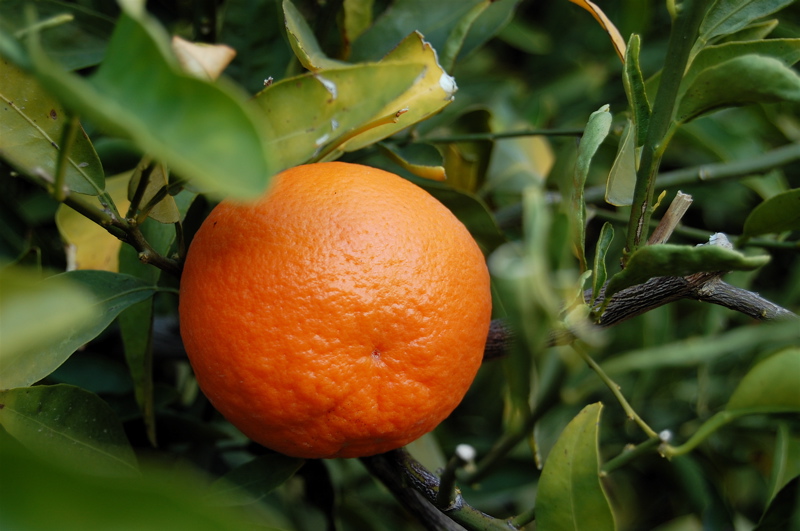
A bright orange named after the tangerine fruitNamed shade

#FBCEB1
Apricot
A pale yellow-orange shade named after the apricot fruitNamed shade