Burnt orange
A medium-dark orange shade linked with sports teams and 1970s interiors
Burnt orange is a medium-dark orange colour, first called by this name in 1915. It is recognised for its use by several sports teams and was a popular choice in 1970s home design. The exact shade varies between institutions, and it has also appeared in official settings like the Oval Office.
Share on WhatsAppOpen in the lab
- Named as a colour in 1915
- Popular in 1970s home interiors
- Used by several university sports teams
- Appeared in the Oval Office under President Ford
- Marks refrigerant R407C cylinders
What colour is Burnt orange?
Burnt orange is a medium-dark version of orange, deeper and more muted than standard orange. Its appearance is marked by a rich, earthy tone that stands out from brighter oranges. The colour is not fixed, so its exact look can change depending on who defines it. This shade is often noticed for its warmth and strong presence.
Where does Burnt orange come from?
The name 'burnt orange' has been in use since 1915. The term likely refers to the deeper, slightly brownish look that orange takes on when darkened, as if it has been singed or toasted. Over time, different organisations have adopted their own versions of burnt orange, leading to variations in its exact appearance.
How Burnt orange is defined
Burnt orange is not tied to a single pigment or dye. Instead, it is a colour value that can be mixed by combining orange with small amounts of brown or red. Different institutions and designers may use slightly different formulas to achieve their preferred shade.
Where Burnt orange is used
This colour is widely seen in sports, where it serves as a team colour for several universities and professional clubs. It was especially popular in home decoration during the 1970s, even appearing in the Oval Office during Gerald Ford’s presidency. Burnt orange is also used to mark certain refrigerant cylinders for easy identification.
Orange around the world
What the orange family means from country to country.
The lowest band of the flag is orange, often called apricot, after the national fruit. The constitution says it stands for the creative talent and hard work of the people.
Politics and protestNature and renewalPrideSource: Flag of ArmeniaThe flag is split corner to corner. The orange half stands for the Buddhist tradition, and the white dragon across the middle for purity.
Sacred and holySource: Flag of BhutanOn 30 September people wear orange shirts to remember the children sent to residential schools. Phyllis Webstad's new orange shirt was taken from her on her first day at one.
Mourning and deathPolitics and protestGriefSource: National Day for Truth and ReconciliationOrange is also the colour of the New Democratic Party. Its sweep of Quebec seats in the 2011 election was called the Orange Wave.
Politics and protestSource: New Democratic PartyThe flag shows the island in copper orange on white. The colour recalls copper, which was mined here in ancient times and may have taken its name from Cyprus.
Politics and protestNature and renewalSource: Flag of CyprusThe orange stripe of the flag stands for Protestants, the followers of William of Orange. In Northern Ireland the Orange Order still marches each 12 July in orange sashes.
Politics and protestSource: Orange OrderShades and relatives of Burnt orange
Burnt orange is one of several darker or muted oranges. Its shade can differ between organisations, with no universal standard. It is sometimes confused with other deep oranges or reddish-brown tones, depending on the context.
Colours that go with Burnt orange
Harmonies are worked out from the value #CC5500. Contrast ratios follow the WCAG 2 formula.
Questions people ask about Burnt orange
What kind of colour is burnt orange?
Burnt orange is a medium-dark shade of orange, known for its earthy and muted appearance. It is not a single fixed colour, so its exact look can vary.
Where does the name 'burnt orange' come from?
The name has been in use since 1915 and likely refers to an orange that has been darkened, as if it has been scorched or toasted.
Where is burnt orange used?
It is seen in sports team colours, especially at some universities, and was a favourite in 1970s interior design. It also appears on refrigerant cylinders and in professional sports uniforms.
Is burnt orange always the same shade?
No, different organisations define burnt orange in their own ways, so the shade can vary.
Good reading and sources
The facts on this page come from the Wikipedia article "Shades of orange" (the section "Burnt orange"), written by its contributors and used under the CC BY-SA 4.0 licence. Rang rewrote the text in its own words, with AI assistance, and compares every page with the article to make sure no passage is copied. It may be reused under the same CC BY-SA 4.0 licence with a link back.
It may contain mistakes. The swatch is an approximation: named colours are not fixed standards, and every screen shows them a little differently. If something is wrong, tell us. Last refreshed 2026-10-03.
More of the orange family
All of orange
#FF7F50
Coral
A vivid orange-pink named after the colour of precious coral from the seaNamed shade

#FFBF00
Amber
A yellow-orange colour named after fossilised tree resinNamed shade

#F4C430
Saffron
A yellow-orange shade named after the colour of saffron crocus threadsNamed shade · 🇮🇳 India +1

#FFE5B4
Peach
A soft pastel shade named for the inside of a peach fruitNamed shade · 🇨🇳 China

#BA160C
International orange
A strong reddish-orange used for safety in engineering, aerospace and maritime workNamed shade · 🇺🇸 United States +1

#FF7800
Safety orange
A vivid orange used for high-visibility and safety markingNamed shade · 🇺🇸 United States +4
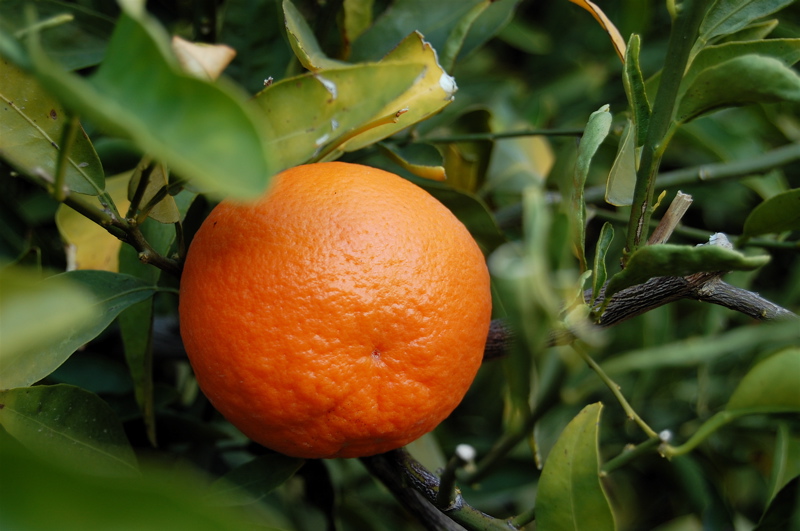
#F28500
Tangerine
A bright orange named after the tangerine fruitNamed shade

#FBCEB1
Apricot
A pale yellow-orange shade named after the apricot fruitNamed shade