Colour and the mind
Colour psychology and what the evidence supports
Colour does affect mood and behaviour a little. The effects are small, depend on context, and are far weaker than posters claim.
Presented by ClearTrust Free for designers, students and the curious.
Colour psychology is the study of how colour affects feeling, thought and behaviour. The honest summary is that some effects are real but small, that they depend heavily on context and culture, and that many well-known claims rest on a single study or on none. A colour does not carry one fixed meaning that works on everybody in the same way.
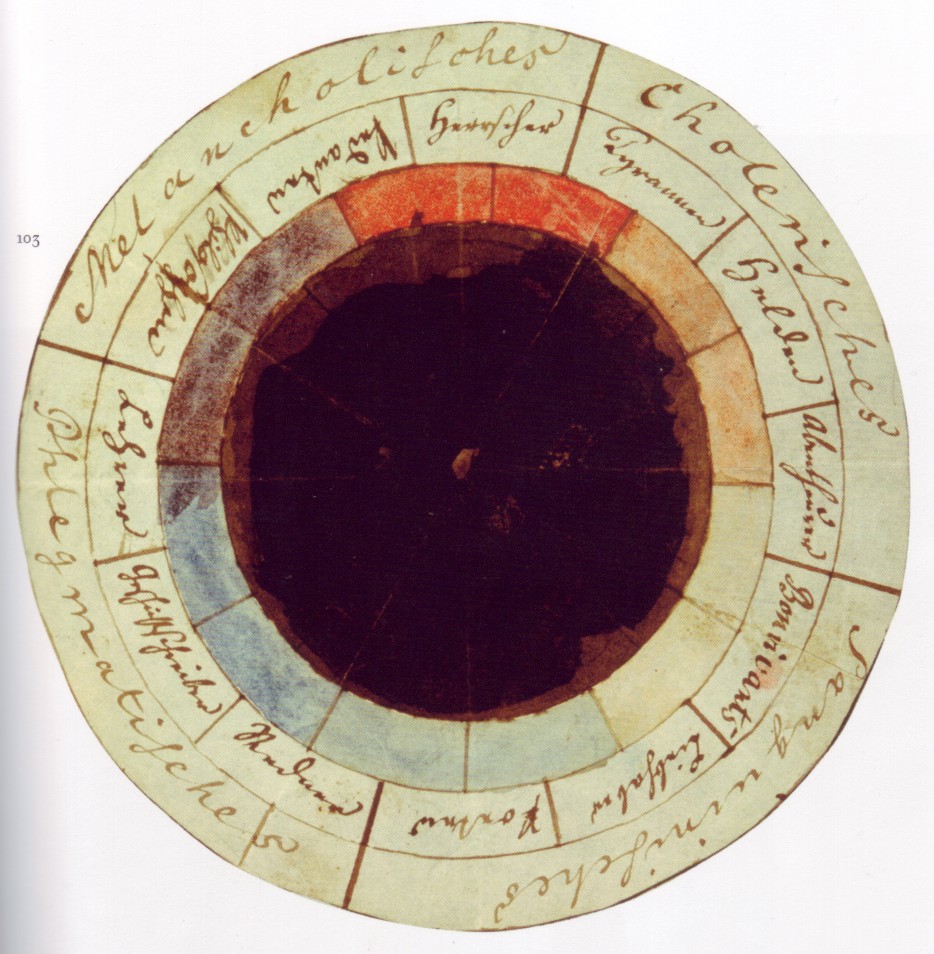
What holds up reasonably well
A few findings have been repeated often enough to be taken seriously. People in many countries link certain colours with certain feelings in similar ways, such as red with both love and anger, and black with sadness. Lighter and more saturated colours are generally rated as more pleasant than dark, dull ones. Blue is the most commonly named favourite colour in surveys across many countries. Bright, saturated colours are rated as more arousing than pale ones. These are statements about what people say and associate. They are not proof that a colour changes how anyone behaves.
What is weak or contested
Claims that a colour changes behaviour are much shakier. Studies reporting that red harms exam results, makes people more attractive or helps athletes win have often failed when repeated with larger groups. Many early experiments used small samples and did not control lightness and saturation, so a difference credited to hue may have come from one colour simply being brighter. A 2015 review by the psychologist Andrew Elliot, one of the field's main researchers, described the area as promising but at an early stage, and called for stricter methods.
How to read a colour claim
A few questions sort good claims from bad. Was the effect measured, or just asserted? Has anyone repeated the study? How big was the difference: a few per cent, or a change you would notice? Was it tested in more than one country? Statements such as blue builds trust or yellow makes babies cry turn up in thousands of articles, usually with no source at all. Meaning comes from learning and setting. Red on a wedding sari in India, on a stop sign and on a bank statement says three different things.
Sources and further reading
- Color psychology on Wikipedia
- Elliot, Color and psychological functioning: a review of theoretical and empirical work, Frontiers in Psychology (2015)
- BBC Future: Do colours really warp our behaviour?
Original text by the Rang desk, written with AI assistance and checked against the sources above. Meanings of colour vary from place to place and person to person. If we have something wrong, tell us.